The second hand smartphone market has grown significantly in recent years, but questions are now being raised as to whether the next big recycling program will come from appliance manufacturers.
German brand Miele has already moved to sell recycled appliances in Europe with the expectation that several premium European brands are now looking at what is happening in the smartphone market where brands such as Samsung are now reselling traded in smartphones that have been refurbished by the manufacturer.
The Miele initiative involves collecting Miele washing machines that have been returned, including those with scratches or easily repairable faults, fixing them up and reselling them online with the German Company hoping that the move will appeal to the entry level market with consumers who want a premium European appliance but can’t afford the sticker price of a new Miele model.
Max Wagner, who heads Miele’s sustainability team, say the sale of refurbished appliances has not cannibalized his company’s sale of new models, as was initially feared.
“We have been able to expand our customer base to include younger, digitally savvy groups who might otherwise have opted for a competitor for cost reasons,” Wagner said.
Miele is also working on a pilot project to recycle and rebuild circuit boards with customers able to choose between having a new circuit board installed, or having a refurbished one fitted to their washing machine or coffee machine.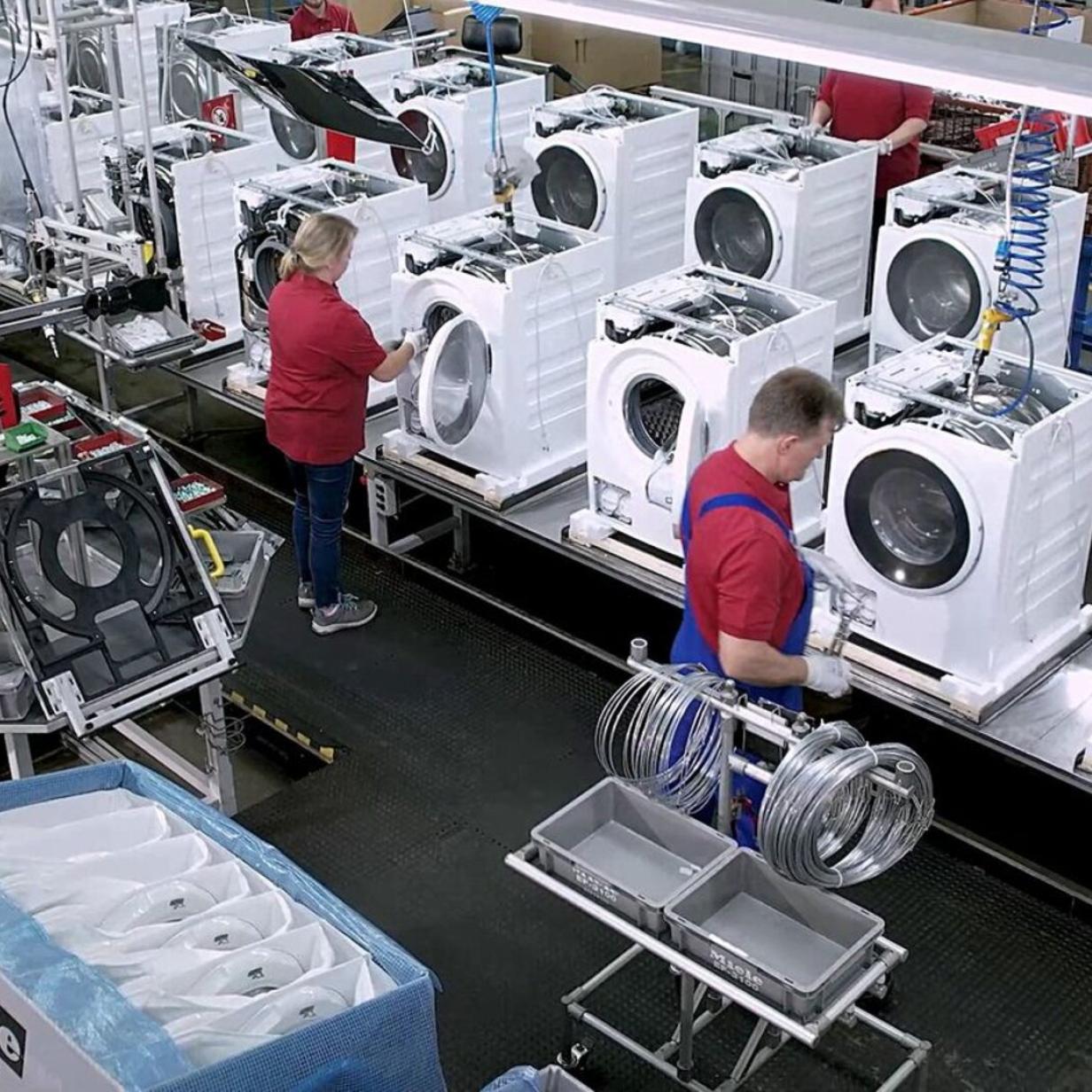
While smartphones are small, appliances are large and heavy with size and weight becoming a key problem for appliance brands.
In 2024 Miele refurbished 12,000 electronic components with the program now operational in five European countries, including Germany and the Netherlands.
Miele management claim that Washing machines are particularly suitable for re-use because they are relatively expensive and make up a large percentage of sales.
The fact that spare parts are available for a longer period of time also helps claims observers.
Miele’s Dutch refurbished washing machine project is seen as the benchmark for a possible role out in markets outside of Europe including Australia depending on cost and availability of parts.
Running such a system requires a national infrastructure and sufficient returns to meet demand, says Christoph Wendker, who heads Miele’s sustainability and regulatory affairs operation.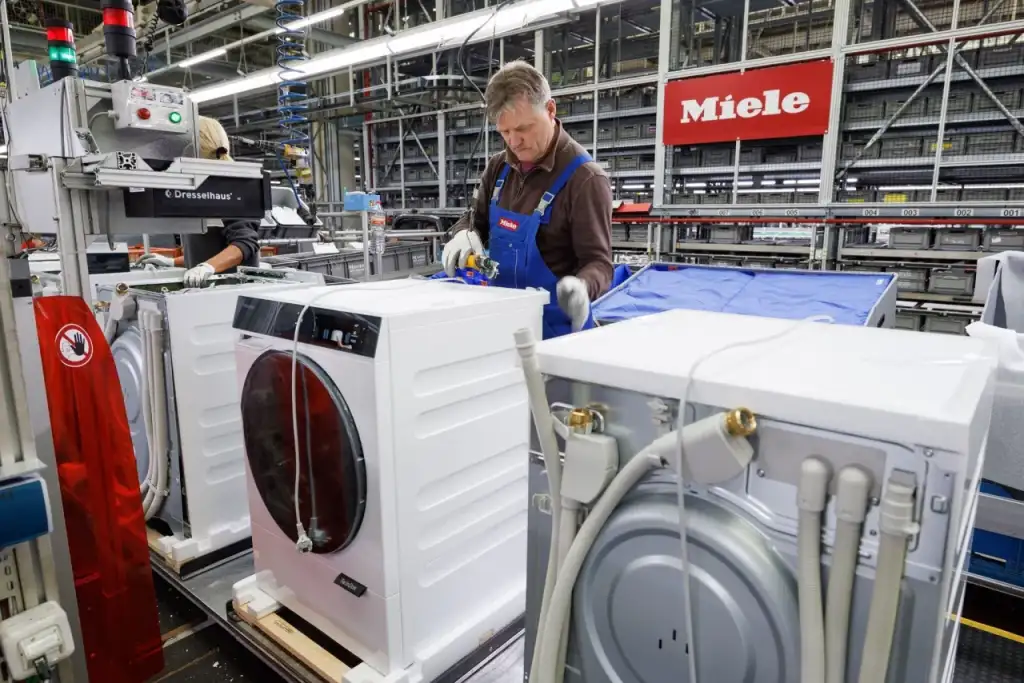
Getting household appliances back into circulation is much more complicated, not least because it takes two technicians to collect a washing machine, and a water connection to test its various functions.
In Australia appliance manufacturers want both State and Federal Governments work closely with the industry via the recently formed the Coalition for Sustainable Solutions (COFOSS) in an effort to cut red tape while coming up with solutions acceptable to Australian Government departments managing environmental and sustainability issues.
Some observers claim that “recycled large appliances” have a future depending on the cost efficiencies and availability of parts with older machines now seen as not complying with new regulations in some States.